
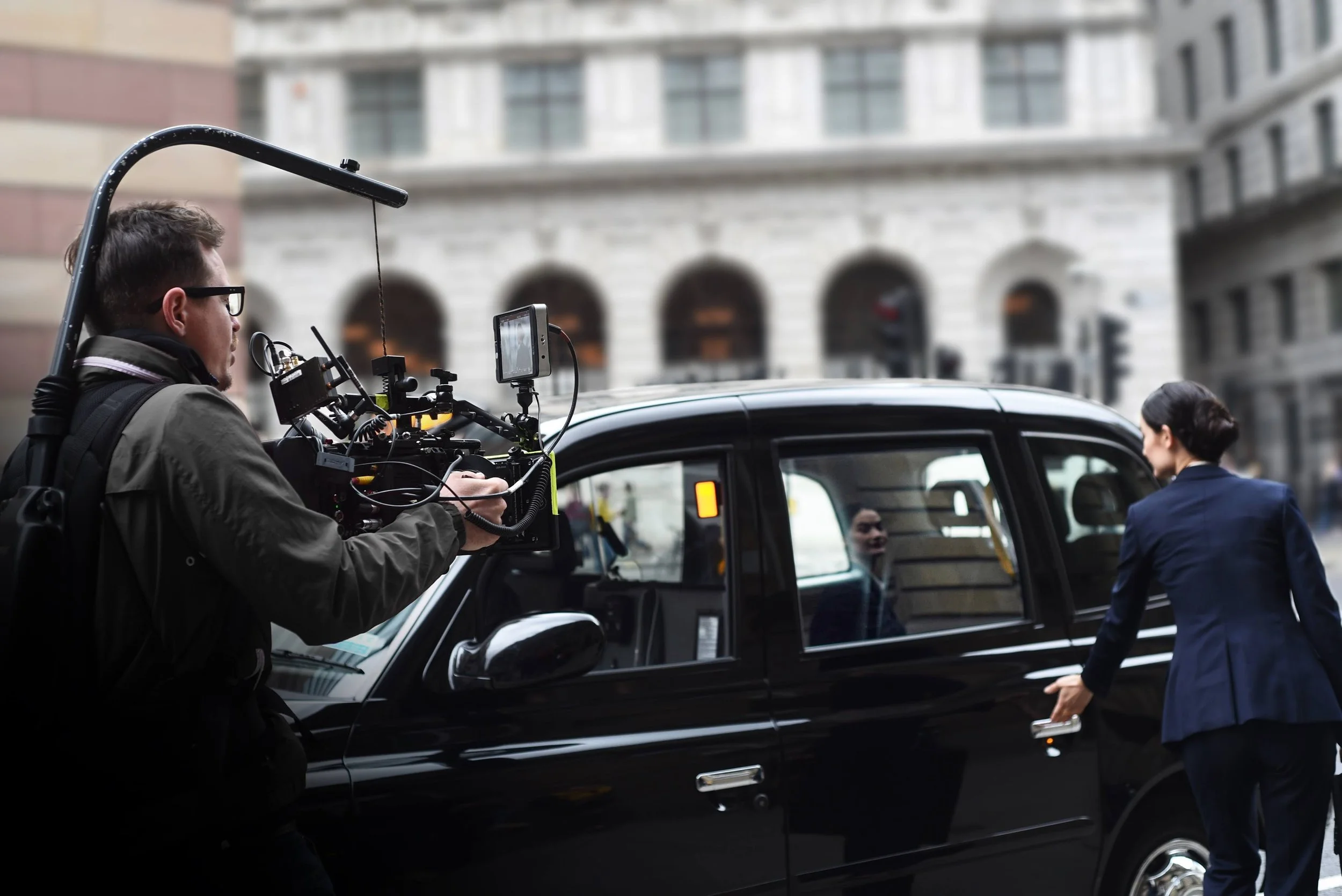
Documentary Production for Brands with Something Real to Say
Real people. Real environments. Real stakes. Here's how we think about branded documentary production — and why process is what makes it reliable.
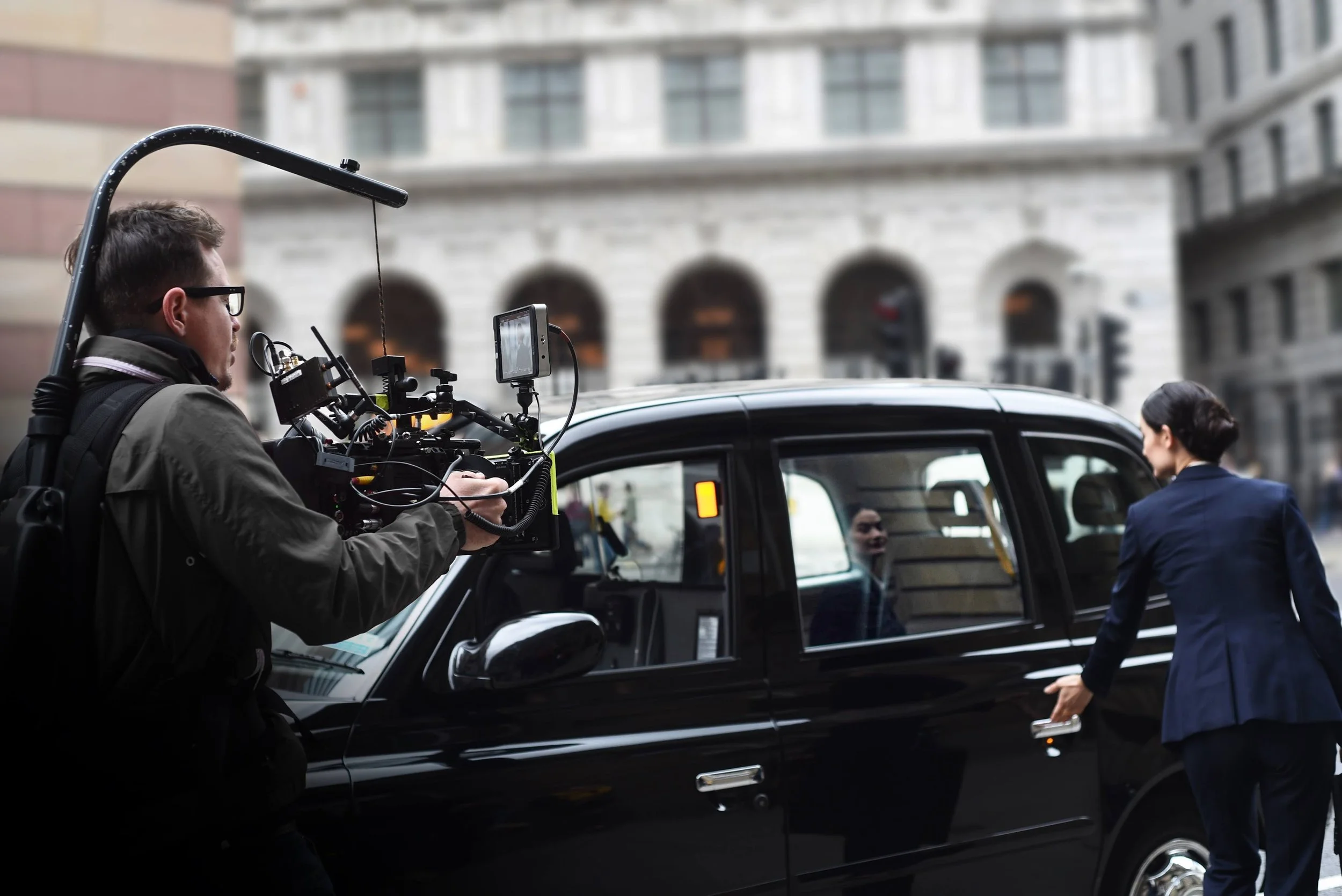
Authenticity isn't a trend. It's just good filmmaking applied to brand stories. When it works, it builds more trust in a few minutes than a scripted campaign can in three months. When it doesn't, it's usually because someone treated "authentic" as a style choice instead of a commitment.
Here's how we think about it.
What it actually is
Documentary production means real people, real environments, real stakes. The story doesn't start with a product claim— it starts with a human truth. The brand earns its place in the narrative. At its best, it doesn't feel like marketing. It feels like access.
Traditional advertising starts with a message and builds a performance around it. Branded documentary starts with a person. The structure is still there, it just lives inside a real story with real stakes, not around a script.
When we use it
It works particularly well for purpose-driven brands, financial and healthcare companies, sustainability initiatives, founder-led businesses, and community-centered campaigns — anywhere the audience is too smart for a manufactured moment and the brand has genuine impact in the world.
It's not always the right tool. When it is, it's usually the best one.
The process question
People assume documentary means unpredictable. It doesn't.
It means rigorous character vetting before production begins. Pre-interviews. Narrative mapping. Defined emotional arcs before a camera comes out. Clear thematic alignment with brand strategy. Editorial architecture built before the first shoot day.
Documentary only feels unpredictable when there isn't a framework. The difference between work that lands and work that wanders is structure — not luck. Real stories still need a spine.
What one shoot actually produces
A single branded documentary production can generate a hero film, paid media cutdowns, vertical social edits, still photography for OOH and digital, internal and recruitment content, and case study assets — all from one production window.
Because you're capturing lived environments and real interactions, you're building a content ecosystem, not a single deliverable. Scale isn't an afterthought. It's designed at the beginning.
On craft
Authenticity isn't an excuse to be careless. The work still needs strong visual language, controlled lighting in uncontrolled spaces, intentional framing, and an edit that earns every cut. Audiences can feel the difference between raw and undisciplined. We're after the former.
On risk
The perceived risk in documentary isn't unpredictability, it's lack of preparation. When story, scope, and deliverables are defined upfront, branded documentary production often reduces brand risk rather than increasing it. Real people and real environments, handled with discipline, consistently outperform manufactured performance when it comes to long-term audience trust.
Why now?
AI is making it easier than ever to produce content that looks and sounds like something. Which means the thing that's getting scarcer, and more valuable, is work that feels genuinely human. Texture. Imperfection. Real stakes. That's where we live.
In a world full of content, we make films. What's your story? hello@stilllifeprojects.com

How to Tell a Story that Actually Lands
The most effective brand films don’t start with products. They start with people. At Still Life Projects, our documentary-driven approach to branded storytelling is built around real characters, real stakes, and emotional journeys. Here are the 7 principles we use to create cinematic brand stories that move audiences.
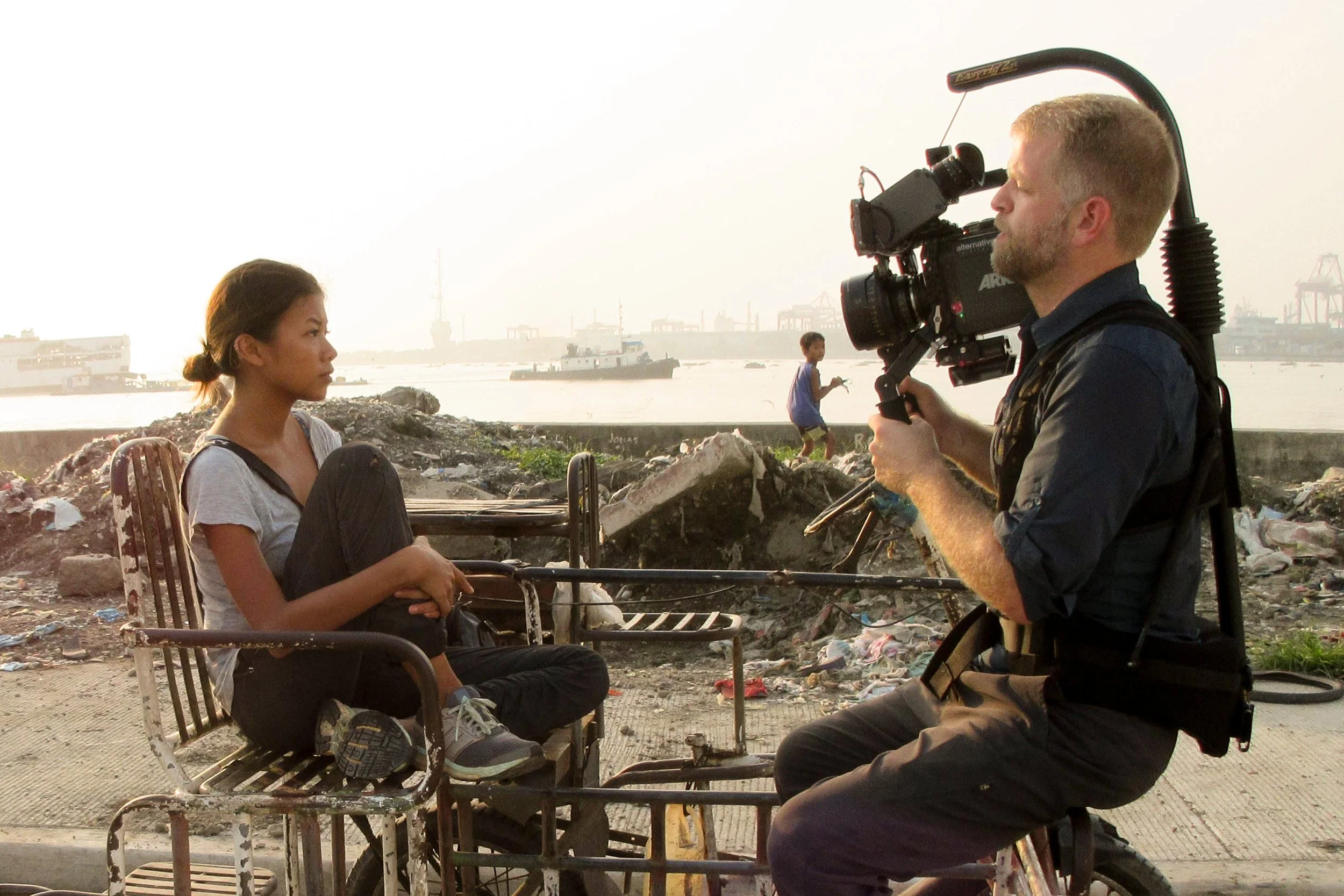
The most effective brand films don’t start with products. They start with people. At Still Life Projects, our documentary-driven approach to authentic brand storytelling is built around real characters, real stakes, and emotional journeys. These are the seven principles we use to create cinematic brand films for agencies and brands.
Start with a real person
Give us someone to root for. Not an executive. Not a spokesperson. Someone your audience recognizes — in themselves, in their community, in their own life. The best characters are both specific and universal. Unique enough to be real, familiar enough to matter.
Know what they want
Every compelling story follows someone with a clear goal — something they're chasing, something they're up against. Step back from their connection to your brand. What drives them as a person? What are their hopes, their fears, the thing they can't stop thinking about? Your audience should understand what's at stake within the first few moments. If they don't know what the character wants, they won't follow them anywhere.
Raise the stakes
What happens if they don't get there? Will their family struggle? Will something they've built fall apart? The higher the stakes, the harder it is to look away. Stakes are what keep an audience in their seat until the end.
Plan it like a silent film
Before you shoot, ask yourself: if someone watched this on mute, would they still understand the story? The best films don't need narration to carry meaning. Build your shot list around that constraint. Visuals should do the work.
Capture moments, not statements
Don't rely on talking heads and generic b-roll. Real stories come alive when you film people interacting — working, laughing, disagreeing, figuring things out together. Those unscripted exchanges create something no interview can manufacture. Put your character in real situations. Let the story unfold.
Lead with feeling
People remember how a story made them feel long after they've forgotten what it said. Facts matter, but too many and you've lost them. Keep the emotional arc at the center. Cut anything that doesn't serve it.
End with something that stays
Show the outcome. What changed? What was the impact? Close on a moment that feels earned, not engineered. Then give your audience somewhere to go — something simple and meaningful to do before they move on.
Where to start
Find the person most directly affected by your work. Map the journey they're on. Define what's at stake. Build your shot list around silence. Capture moments, not just answers. Edit for emotion. Leave your audience with a feeling.
If you have a story to tell, let's talk. hello@stilllifeprojects.com
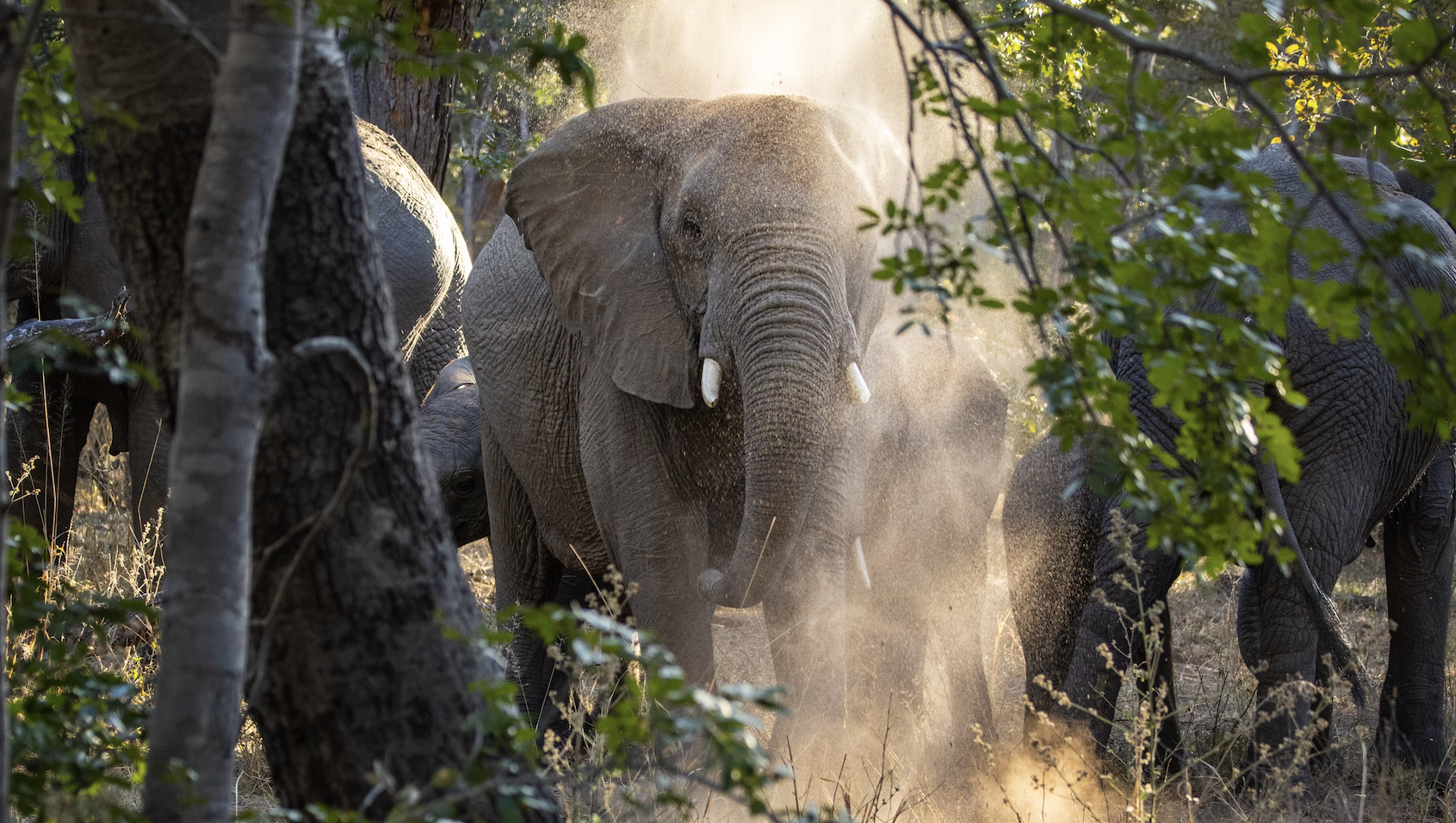
Wild Zimbabwe
Zimbabwe is an adventure. Vast savannas teem with wildlife. Majestic Victoria Falls stands tall as one of seven natural wonders of the world. Thrilling rapids of the Zambezi River challenge the brave. Rich cultures and ancient ruins captivate visitors. Zimbabwe is a land of excitement and untamed beauty.
Zimbabwe is raw and untamed. The savannas pulse with wildlife, while Victoria Falls crashes with awe-inspiring power. Ancient ruins tell stories of lost civilizations, and local cultures are as vibrant as the landscapes. Zimbabwe is where adventure and nature collide.

iFit commissioned us to create a documentary series in Zimbabwe during the height of the pandemic. Challenges came with the territory. Cancelled flights turned travel into chaos. Every layover brought another PCR test. Heavy rains flooded airstrips, and thick foliage made tracking wildlife nearly impossible.
The mission? Produce six half-hour walking experiences for iFit users. Tight deadlines, flooded locations, and a ticking clock. We landed in Harare ready to go.
Victoria Falls
First stop: Victoria Falls. It doesn’t matter how many times you’ve been—Victoria Falls always hits with the same awe. The roar of 600 million gallons of water thundering over the edge every minute is overwhelming. The rainy season only amplified the spectacle. Timing our shots between the mist and finding the perfect angles was key. This place demands respect. Its power and scale make everything else feel small.
After we experienced the sheer grandeur of the falls we hiked down into the gorge. Above us, bungee jumpers leapt off the metal bridge toward the raging Zambezi. Built in Britain in 1905, this ornate steel railway bridge is an engineering marvel. This bridge was part of Cecil Rhodes' grand vision for a railway line stretching from Cape Town to Cairo.

Malilangwe Reserve
Next, we headed to Malilangwe Reserve, home to one of the highest rhino populations in Africa. The Malilangwe Scouts, an elite anti-poaching unit, are the backbone of the reserve’s security. Over the years, their swift action has intercepted countless poaching attempts, protecting these endangered rhinos and other key species. These scouts are more than just protectors—they're experts, working hand-in-hand with wildlife departments to monitor the reserve’s ecosystem.
We spent time with the scouts, filming their day-to-day patrols. Their focus and discipline showed why Malilangwe remains a stronghold amidst the poaching crisis. Seeing them at work makes you understand just how critical this team is for the survival of rhinos in Southern Africa.
Wilderness Survival Episode
While at Malilangwe, we also filmed a wilderness survival episode. The rainy season made the animals tough to track, but patience is part of the game. We spent the day chasing leads on sightings, only to arrive too late each time. Finally, as we were wrapping up a scene, we took one last look at the river—and there they were. A herd of elephants, bathing in the water. Pure gold. These moments are pure euphoria and make all of the hard work worth it.
Here is our trailer for the Zimbabwe Walking Series on iFit:

Skeleton Coast
The Skeleton Coast is a dramatic clash of elements—where the churning ocean battles the relentless desert sands. Wind carves rippling dunes around shipwrecks and whale bones, relics of thick fog and treacherous shores. This remote, untamed stretch belongs to fur seals, seabirds, and the hardy oryx.
The Skeleton Coast is a dramatic clash of elements—where the churning ocean battles the relentless desert sands. Wind carves rippling dunes around shipwrecks and whale bones, relics of thick fog and treacherous shores. This remote, untamed stretch belongs to fur seals, seabirds, and the hardy oryx.
Travel to Namibia’s Skeleton Coast often involves chartered airplanes or helicopters to reach remote wrecks, departing from towns that seem perched at earth’s edge. The journey evokes a sense of insignificance and awe, offering a powerful rebuttal to humanity's belief in its own dominance. Over a 3-week trip we witnessed the iron- and steel-hulled ships, subsumed by sand, crumbling into rusty flakes. The Skeleton Coast reminds us of the planet’s true balance of power, where nature reigns supreme.